Everything you need to know about carboxytherapy
What carboxytherapy is, how it works in the skin, what happens during a treatment, which concerns it is used for, and who it is not suitable for.
Read articleCO₂ treatment for skin texture, hair growth and fat deposits.
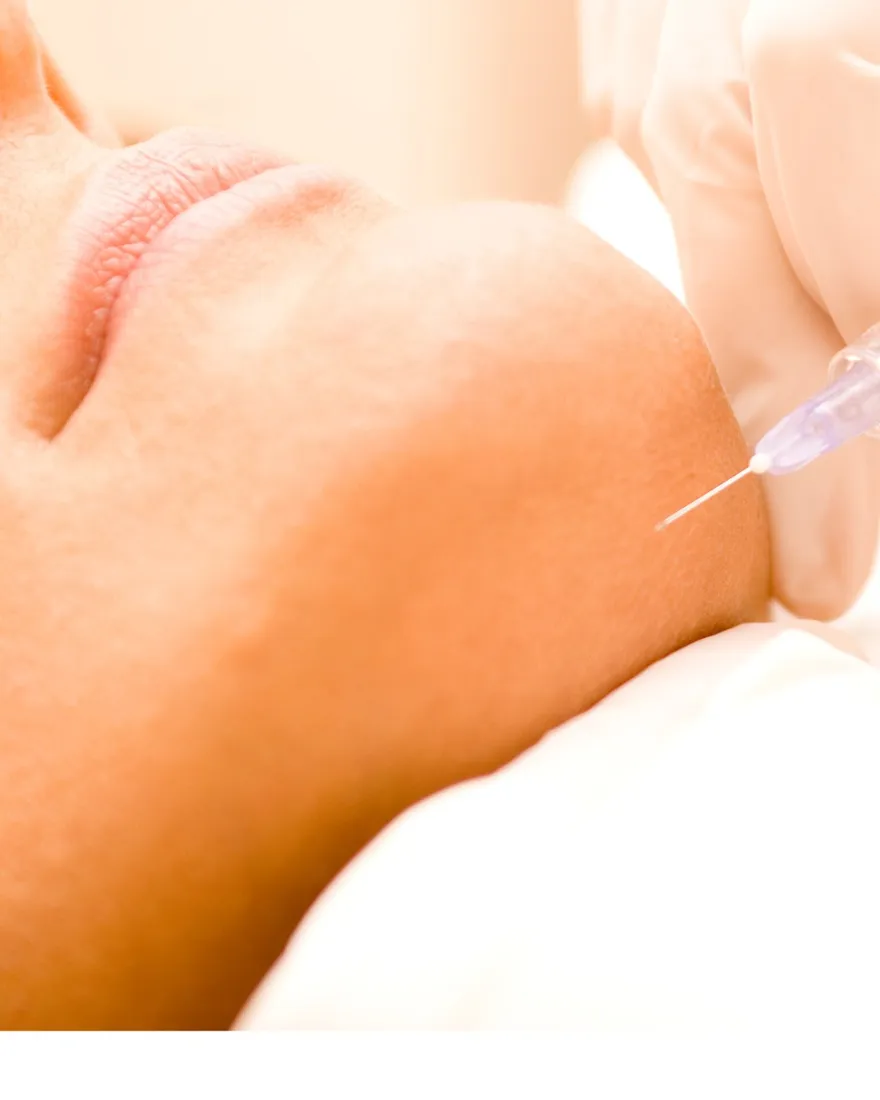
Carboxytherapy is an injection treatment using medical CO₂ that increases local blood circulation and may stimulate the skin's collagen formation. The treatment is used for, among other things, cellulite, stretch marks and certain types of dark circles under the eyes. Clinical studies have shown improvement in skin texture and in the visibility of cellulite and stretch marks. A course of treatment is adapted to the area and your skin. Price from NOK 1,000
Carboxytherapy involves delivering controlled amounts of medical carbon dioxide (CO₂) into the skin or subcutaneous tissue through a very thin needle. CO₂ is a gas that occurs naturally in the body, and that is transported by the blood and exhaled through the lungs.
At Beauty Medical in Oslo, the treatment is performed by cosmetic nurses. The clinic has a responsible physician.
When CO₂ is delivered to the tissue, the blood vessels widen locally. An increased CO₂ level also makes haemoglobin release oxygen to the tissue more readily. The treatment thus affects local circulation and oxygen supply.
Studies of treated skin have also shown changes in collagen and elastic fibres. This may contribute to better skin texture and less visible stretch marks.
Carboxytherapy has been examined in several clinical studies. A systematic review from 2022 included 27 studies with a total of over 700 participants, spread across various skin conditions. The majority of the studies reported improvement after treatment.
The documentation shows positive results, but the strength varies between areas of use. Several studies have few participants and different treatment protocols, and larger studies are needed to clarify long-term effect and optimal courses of treatment. The result will therefore vary from person to person.
Cellulite is common unevenness in the skin surface, particularly on the thighs and buttocks. Its appearance is influenced, among other things, by the interplay between skin, subcutaneous fat and pulling of connective tissue.
Carboxytherapy is used with the aim of reducing visible unevenness and improving the skin's structure. Clinical studies have reported reduced severity of cellulite and smoother skin after a series of treatments. A smaller pilot study found improvement both when assessed by photographs and by ultrasound examination.
At the consultation we assess the treatment area and what is realistic to achieve. The goal is improvement in the appearance of the skin, not that all cellulite will disappear.
Stretch marks occur when the skin's connective tissue changes, often in connection with pregnancy, growth or weight changes. They can be reddish or purple at first and become lighter with time.
Carboxytherapy is used to improve the structure of the skin and make stretch marks less prominent. A 2024 study with 20 participants showed improvement in the width, length, texture and colour of the stretch marks. Tissue samples also showed more organised collagen fibres and an increase in elastic fibres after treatment. The study examined both carboxytherapy alone and in combination with fractional CO₂ laser.
Both red and pale stretch marks can be considered for treatment. The goal is to reduce visibility and improve skin structure.
The treatment is also used for certain types of dark circles under the eyes. Studies have reported improvement, but dark circles can have several causes. We therefore assess the skin and the area before we recommend treatment.
We assess your skin, your health and what you want to treat. You receive information about the expected result, the number of treatments and the price.
The skin is cleansed, and the treatment area is marked out.
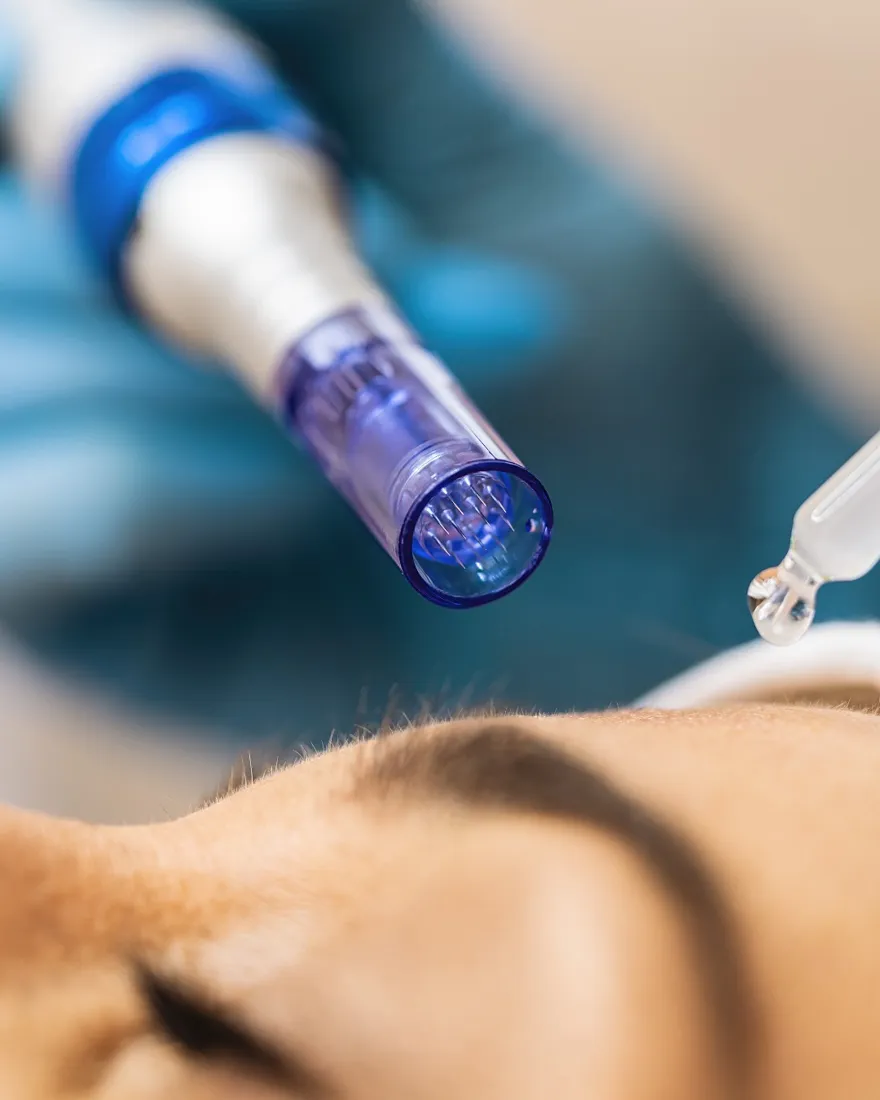
The gas is delivered through a thin needle. Amount, speed and treatment depth are adapted to the area. You may feel pressure, tightness, warmth or stinging while the gas is delivered.
You receive tailored aftercare advice. Most people can resume normal activities shortly afterwards, but swelling or bruising may be visible.
The treatment time is usually 15–60 minutes, depending on the area.
Carboxytherapy is usually carried out as a series. The number of treatments and the interval are adapted to the area, the starting point and how the skin responds.
At Beauty Medical the course is planned individually. We assess progress along the way and whether further treatment or maintenance is relevant.
Common reactions are temporary redness, swelling, tenderness and bruising. The treatment can cause discomfort or pain, and some people experience a brief crackling sensation under the skin as the gas spreads. Pigment changes may also occur.
Before treatment you must disclose any illnesses, medications, pregnancy or breastfeeding, and any skin infections. This forms part of the assessment of whether the treatment is suitable for you.
Contact the clinic or a doctor in case of severe or increasing pain, persistent swelling, spreading redness, fever or other signs of infection.
The prices below apply per treatment. The total price depends on the treatment area and the number of treatments.
A package price can be agreed for multiple treatments. You will receive information about the overall treatment plan and price at the consultation.
Carboxytherapy is an injection treatment with medical CO2 gas in small controlled amounts. Read more about the treatment on the website.
*From price, depending on the area.
*From price, depending on the area.
General advice for you who are about to have, or have had, this treatment.
After a consultation you can get access to before and after photos. Download Beauty Medical from the App Store and we will send you a password.
Get in touch if you experience any of this:
General advice – the nurse will give you personal advice tailored to your treatment.
Book a consultation – the fee is deducted if you go ahead with treatment.
Book a consultationWhat carboxytherapy is, how it works in the skin, what happens during a treatment, which concerns it is used for, and who it is not suitable for.
Read article